
The Dennis Frayne Approach to Music Education: Why This Approach?
Music education has been shaped by generations of teachers, traditions, methods, research, and experience. The Dennis Frayne Approach to Music Education grows from respect for that inheritance while asking how strong ideas about students, learning, musicianship, teaching, and professional life can be understood as parts of one connected educational philosophy.
The Approach begins with a clear purpose: helping people become more musical and build lifelong relationships with music. From that purpose, individual teaching decisions gain context. What we teach, how we sequence it, how students experience music, how teachers guide learning, and how both students and teachers continue developing become parts of the same educational picture.
The Approach provides the educational philosophy and framework. The Dennis Frayne Association for Music Education provides professional structures through which teachers can study, apply, and continue developing that philosophy. The Dennis Frayne Ascent provides a structured student program for demonstrating and recognizing musical growth. Certification, coaching, publications, professional community, curricula, and related programs are ways the larger educational purpose can be studied, supported, and put into practice; they are not themselves definitions of the Approach.
A Connected Framework
Music education contains many valuable ideas that are often discussed separately: beginning with the student, creating a healthy learning environment, learning through experience, sound before symbol, thoughtful sequencing, physical movement, musical literacy, creativity, repertoire, practice, performance, comprehensive musicianship, reflection, and lifelong learning. The Dennis Frayne Approach brings these ideas into relationship with one another so that each can support the others.
The connections become visible in actual teaching. Students hear and experience music before symbols are expected to carry its full meaning. Rhythm is heard, felt, moved, sung, played, and read. Musical literacy develops through sound, patterns, relationships, and direct understanding. Technique supports physical ease, control, expression, and musical purpose. Repertoire gives skills and ideas a musical context. Singing, listening, playing, reading, creating, improvising, theory, practice, and performance contribute together to the development of a more complete musician.
The same connected thinking shapes the teacher’s work. Teachers provide sequence, standards, challenge, explanation, encouragement, and professional judgment while remaining responsive to the student in front of them. A seemingly small decision—how to introduce a note, teach a rhythm, choose a fingering, use a metronome, select repertoire, respond to a mistake, or prepare a performance—can affect the student’s larger musical development. Individual practices therefore have a reason for being there. They are understood in relation to broader purposes rather than used simply because they are familiar or appear in a particular method book.
The framework also recognizes the teacher as a person whose own growth and well-being matter. Teachers remain musicians, learners, and professionals throughout their careers. They need opportunities to deepen their musicianship, strengthen their teaching, ask questions, learn with colleagues, exercise professional judgment, and build working lives that allow room for family, relationships, rest, financial stability, recreation, creativity, and continued development.
This concern for teachers is connected directly to the educational purpose. Teachers who continue learning bring new understanding to their students. Teachers who remain active as musicians bring richer musical experience into lessons. Colleagues provide places to examine difficult questions and continue developing practice. Teachers whose professional lives can be sustained over time are better able to offer students the patience, attention, creativity, judgment, and care that good teaching requires.
A connected philosophy also allows teachers to draw from established traditions, educational research, practical experience, and their own professional knowledge without reducing teaching to an unrelated collection of techniques. Ideas can be examined according to the educational purposes they serve and the ways they help students and teachers understand, experience, and become able to do more. The result is a philosophy substantial enough to provide direction, humane enough to value the people doing the learning and teaching, and flexible enough to continue developing through practice, scholarship, reflection, and experience.
Comprehensive Musicianship
Music is more than the ability to play an instrument. The Dennis Frayne Approach encourages students to develop as complete musicians through listening, singing, performing, reading, creating, composing, improvising, conducting, collaborating, understanding, and communicating.
These capacities reinforce one another. Singing can deepen listening and pitch understanding. Keyboard study can make harmonic and structural relationships visible. Conducting can strengthen awareness of pulse, meter, phrasing, and ensemble relationships. Improvisation and composition can help students use musical ideas rather than merely recognize them. Performance brings understanding, preparation, communication, and expression together in real musical activity.
The purpose is not for every musician to follow an identical path. It is to help students develop a broad and connected musicianship that gives them increasing ways to understand, create, perform, and participate in music.
Lifelong Growth
Musical development does not end with the completion of a method book, examination, degree, recital, or course of study. The Dennis Frayne Approach looks toward a lifetime of continued musicianship, from a young child’s first musical experiences through advanced study, adult participation, professional teaching, leadership, and continued artistic development.
Students and teachers alike can continue listening, learning, performing, creating, studying, and discovering new dimensions of music throughout their lives. Formal achievements matter, but their larger value lies partly in what they make possible afterward.
Supporting Teachers
The Dennis Frayne Association for Music Education is the professional organization and community that supports teachers who study and apply the Approach.
Through certification, the Monthly Teacher Workshop, individual coaching, publications, educational resources, professional community, courses, and other opportunities for continued study, the Association gives teachers practical ways to deepen their musicianship, strengthen their teaching, develop professional judgment, learn with colleagues, and build rewarding lives in music education.
These programs are not the philosophy itself. They are structures through which teachers can explore, apply, question, refine, and continue developing their work in relation to the larger educational purposes of the Approach.
Serving Students
The Dennis Frayne Ascent is the student achievement and recognition program within the larger Dennis Frayne educational ecosystem.
Students deserve opportunities to develop musical understanding, expression, creativity, confidence, independence, and the ability to participate meaningfully in music. They also need opportunities to apply what they know through performance, creation, collaboration, reflection, and other authentic musical work.
The Ascent provides one structured way to make that growth visible. Across eight Tiers and fifty Levels, students undertake increasingly substantial musical experiences and Demonstrations of Learning through which genuine accomplishment can be documented and recognized.
The Ascent is therefore one application of the educational principles of the Approach. The philosophy remains broader than any single program through which it is expressed.
Looking Forward
Respect for educational tradition does not require music education to remain unchanged. Established practices deserve to be understood, studied, and evaluated so teachers can preserve what continues to serve learners well, adapt what can be improved, and reconsider practices when experience, research, or deeper understanding suggests another way forward.
The Dennis Frayne Approach is therefore a living philosophy. It continues learning from teachers and students, established traditions and emerging ideas, scholarship and practice, and changing musical and educational communities.
Its enduring purpose remains clear: to help people become more musical and build lifelong relationships with music. The practices, programs, curricula, and professional structures through which that purpose is pursued can continue developing as understanding grows.
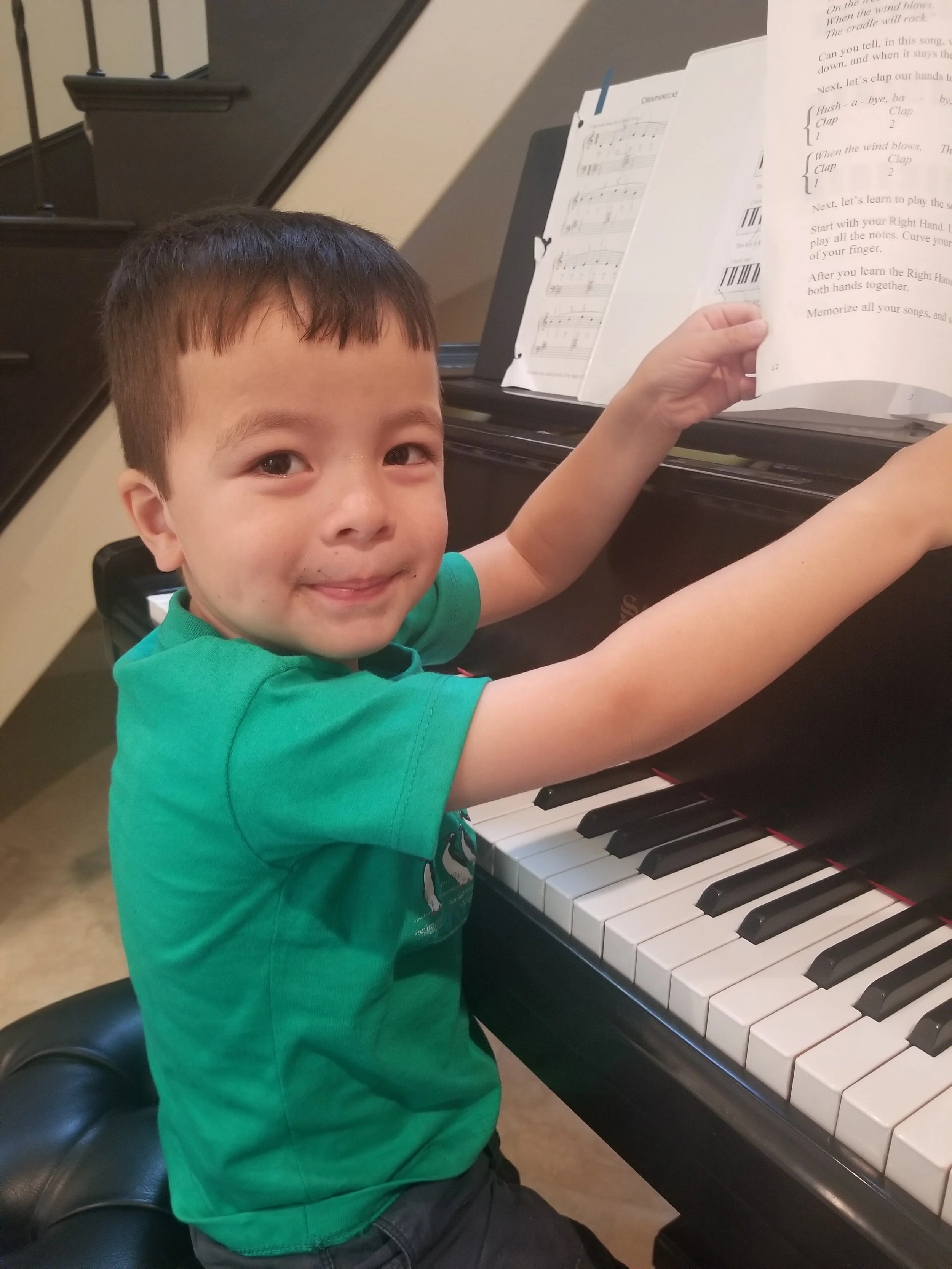
A Clearer Journey
Music teachers continue learning throughout their careers. Each new student, lesson, rehearsal, and performance adds experience, while also presenting new decisions. Teachers consider sequence, pacing, repertoire, technique, motivation, practice, musicianship, and the needs of individual learners. Even experienced teachers encounter situations that require them to reconsider what they are doing, understand why a student is struggling, and decide what should happen next.
The Dennis Frayne Approach provides a connected educational framework for making those decisions. Teachers develop an understanding of how learning unfolds, how musical capacities relate to one another, and how individual lesson choices contribute to longer-term development. Experience remains essential, and the framework helps teachers interpret that experience, learn from it, and make increasingly well-informed professional judgments.
A coherent philosophy also gives creativity a stronger foundation. Teachers can adapt repertoire, explanations, activities, sequences, technologies, and teaching strategies while remaining clear about the educational purposes those choices are meant to serve. Professional judgment becomes more useful when the teacher understands both the principles worth preserving and the possibilities available for responding to the student in front of them.
Over a career, this kind of reflection and decision-making can deepen musicianship, strengthen teaching, and expand professional confidence. Teachers continue learning alongside their students, refining their practice and developing as musicians, educators, and professionals throughout their lives.